The "God spot": what neuroscience really says about the religious brain
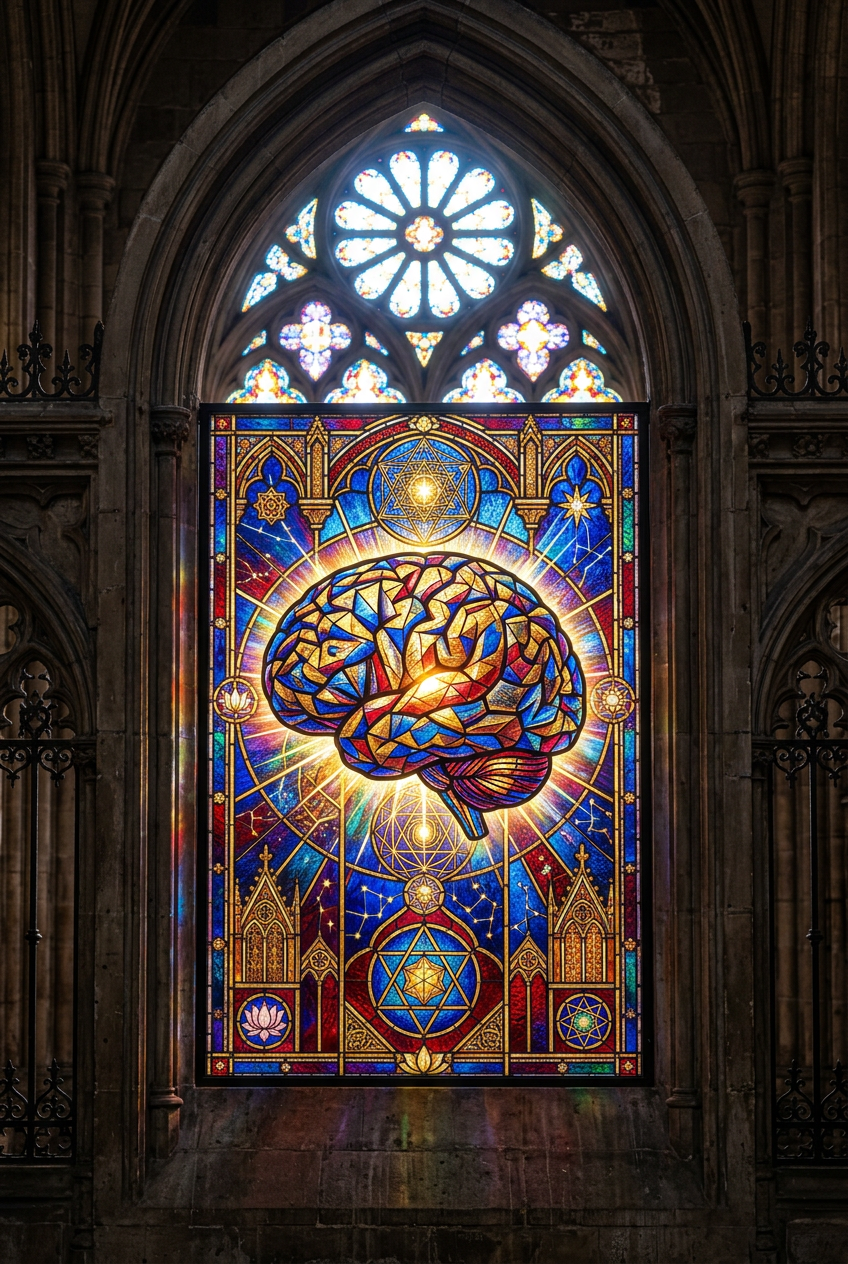
Every few years a headline announces that scientists have found the "God spot" — a single place in the brain where belief lives. It is a tidy story, and it is wrong. Understanding why is one of the most interesting things neuroscience has to say about faith.
The idea has a real history. In the 1980s and 90s, researchers noticed that some people with temporal lobe epilepsy reported intense religious experiences around their seizures. Later, a device nicknamed the "God helmet" claimed to induce a felt presence by stimulating the temporal lobes. Put together, it sounded like a switch had been found: press here, feel God.
But when the brain imaging matured, the switch disappeared. Careful studies of prayer, meditation, and spiritual experience across many traditions show the same thing: there is no God spot. Religious experience lights up a network — frontal regions involved in attention, parietal areas that map the boundary of the self, the temporal lobes, the deep circuitry of emotion and reward. In other words, faith uses the whole instrument, not one key.
Of course spiritual experience has a neural signature. Everything we experience does. The question is what that signature is allowed to prove.
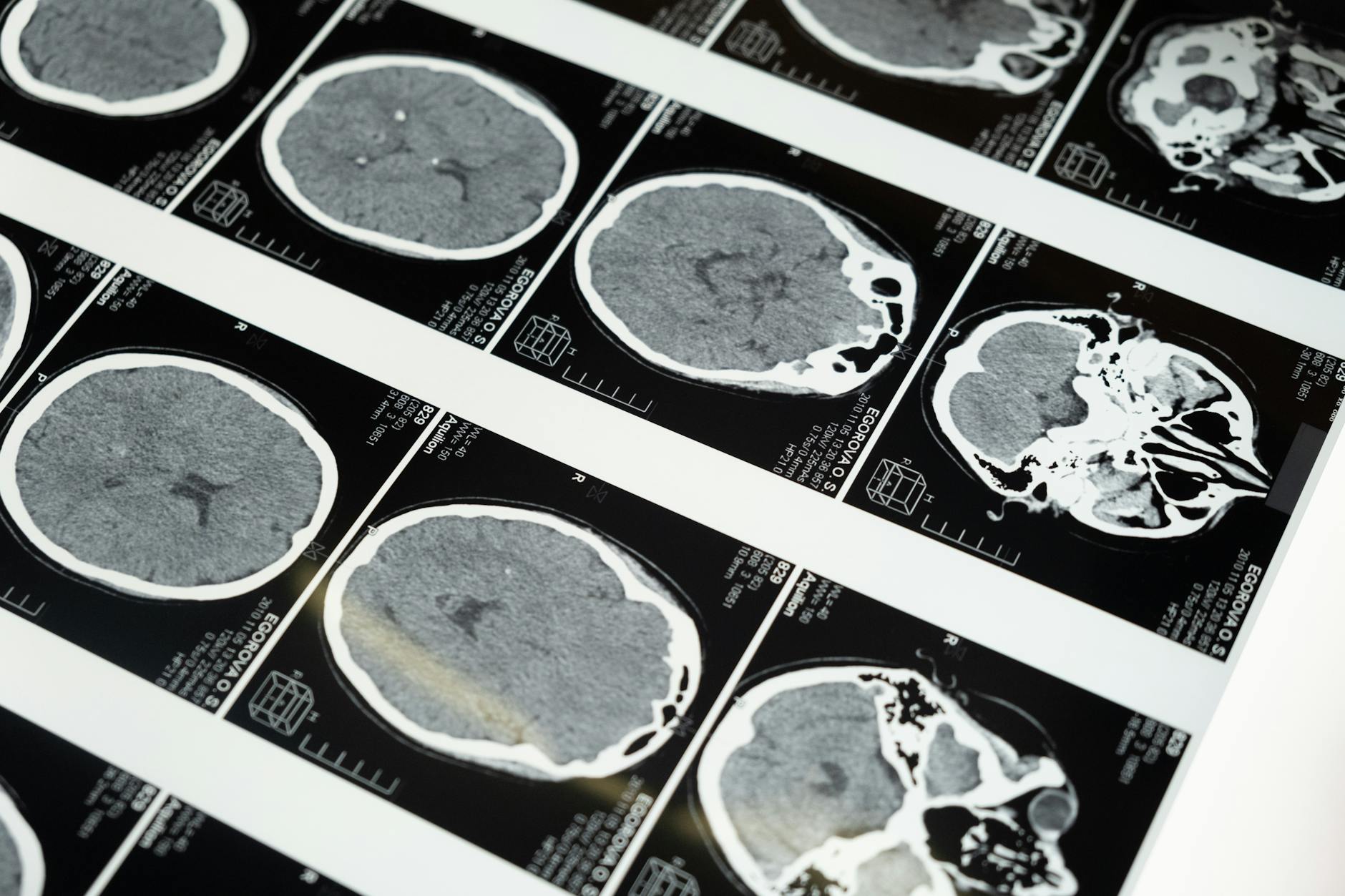
This is where people rush to opposite, equally shaky conclusions. Some believers hoped a God spot would be proof — hardware for the divine. Some skeptics treat the neural correlates as a debunking: see, it's just your temporal lobe. Both make the same logical error. Showing which brain regions activate during an experience tells you how the experience is implemented. It cannot tell you whether the experience points to anything real.
Think of it this way. When you see a sunrise, specific visual areas fire. No one concludes from that firing that the sun isn't there. The brain activity is how you receive the sunrise, not evidence that you invented it. If God exists, a human being would still meet God through a human brain — through networks, chemicals, and circuits — because that is the only equipment we have for meeting anything at all.
So the honest neuroscience is quieter and more interesting than the headline. There is no single God spot. Belief is woven through the whole brain, the way music is. And the map of where faith happens leaves the deepest question exactly where it started — open, and out beyond the reach of any scan.
This reflection is drawn from my book, The God Neuroscience Found — available on Amazon. If it resonated, the book goes much deeper, and I'd be glad to have you along.
Next post: What happens in the brain when we pray.


댓글
댓글 쓰기