The back-hug God: what neurology taught me about grace
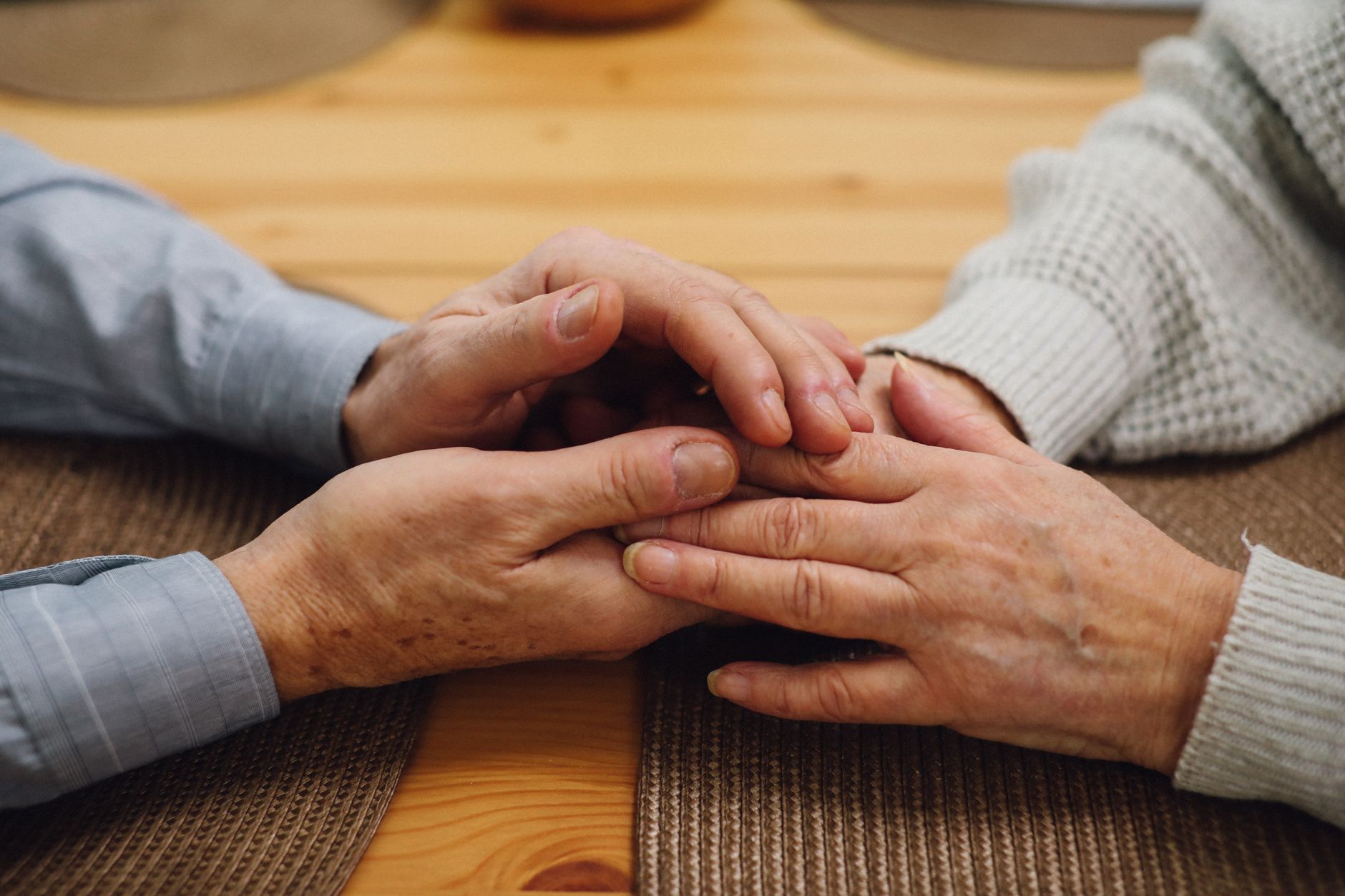
In my book I describe the image of God I love most. He is not standing in front of me, pointing the way with an outstretched finger. He is behind me. Like a back-hug — two arms wrapped quietly around me, often in the exact moments I don't notice.
I did not arrive at that image through theology. I arrived at it through the brain.
Here is something most people never think about: almost everything your brain does for you, it does without asking. Right now, as you read this, your brainstem is holding your breathing steady, tuning your heartbeat, keeping your blood pressure from dropping when you shift in your chair. Your cerebellum is quietly correcting your posture. Whole networks are filtering, predicting, and stitching a seamless world together out of noisy signals — and you are aware of none of it.
We walk around believing we are the ones in charge. But the conscious, deciding part of us — the part that feels like me — sits on top of an ocean of unseen work that never stops, never announces itself, and never asks for thanks. We are carried, every second, by something we do not perceive.
That, to me, is the closest natural picture of grace: to be held up by what you cannot see, and did nothing to earn.
Grace is a hard word for a scientist. It means a gift given before you deserve it, from behind, before you even turn around. For years I could not reconcile it with a discipline that explains everything as mechanism. But the longer I practiced medicine, the more the mechanism itself started to look like the gift.

I see it most clearly at the bedside. A patient loses speech to a stroke, and slowly, over months, a different part of the brain learns to carry the words. A person wakes from a seizure they will never remember, held through it by a body that kept breathing on its own. I have stood beside people in their worst hour, able to offer so little, and felt — against all my training — that neither they nor I were being carried alone.
I can't prove that. A neurologist knows how easily a brain manufactures a sense of presence. I hold the feeling with open hands. But I notice that the science did not take the grace away. It only showed me how much of my life is a gift I never signed for — the breath, the heartbeat, the quiet corrections, the God at my back who has, so far, never once let go.
This reflection is drawn from my book, The God Neuroscience Found — available on Amazon. If it resonated, the book goes much deeper, and I'd be glad to have you along.
Next post: The more I learned about the brain, the more I found God.


댓글
댓글 쓰기